Awakening to find your tent walls wet is a typical outdoor camping problem that influences everyone from backpackers at remote sites to households appreciating the open airs. This is an outcome of condensation that can lead to mildew if left untreated.
While this is an inescapable occurrence, there are actions you can require to reduce it. By producing air movement and following a few straightforward guidelines your canvas camping tent will certainly remain dry longer.
1. Temperature level
Moisture is a typical camping tent obstacle that influences all types of campers. It develops when cozy air fulfills cooler fabric surfaces, transforming water vapor right into droplets that collect and moisten surface areas. The even more extreme the temperature modification and the greater interior humidity levels, the quicker this procedure takes place.
Tent owners can proactively attend to condensation by adhering to simple steps. Wiping materials consistently and deploying targeted air flow with fans or an all-natural breeze assists prevent wetness buildup prior to it leads to mold and mildew or mildew.
Website selection likewise plays an important function in condensation control. Establish your tent far from squealing brooks and waterholes, along with in open grassy locations. Maintaining your camping tent closer to the ground and further from moist resources increases air flow and reduces condensation possibility.
2. Moisture
The cozy air inside a tent, tarp or boodle can create wetness that moves toward cooler textile surfaces. Water vapor changes into beads as it cools and if caught in a limited shelter, this can develop quickly. Residents' exhaled breath, wet clothes and devices, early-morning dew and ground wetness all contribute to elevated humidity levels in a tent. Choosing campgrounds with good drainage and placing gear on a dry ground tarp reduces the amount of vapor rising through the tent flooring. Opening up vents and home windows when feasible enables fresh air to go into and reduce interior moisture.
Avoid food preparation, eating and alcohol consumption inside your outdoor tents during the night to restrict the amount of moisture in the air. Storing wet garments, boots or various other gear inside the vestibule enhances interior moisture. Drying out garments and equipment prior to going into the camping tent avoids condensation from forming while resting. Dampness is the gas that mold and mildew prey on, so finding out to handle condensation is an essential skill for all campers.
3. Airflow
Condensation occurs when cozy air comes into contact with cold surface areas, such as a camping tent floor or the underside of a rainfly. Making use of a groundsheet that supplies an effective barrier in between the camping tent and damp or cold ground can aid to restrict condensation.
Ventilation also plays a big duty in lessening condensation. Tactically opening the vents, doors, and home windows of a camping tent allows for air blood circulation that brings duffel bag moisture-laden air away from your sanctuary and brings in fresh, dry air. The enhancement of a small breeze boosts this process, as it adds an added pressure that helps to relocate the air around.
Camping tents and swags with greater rooflines are better at taking care of condensation since the air is warmer up there and can't enter direct contact with the canvas or rainfly. Picking a breathable material that resists condensation is very important as well.
4. Materials
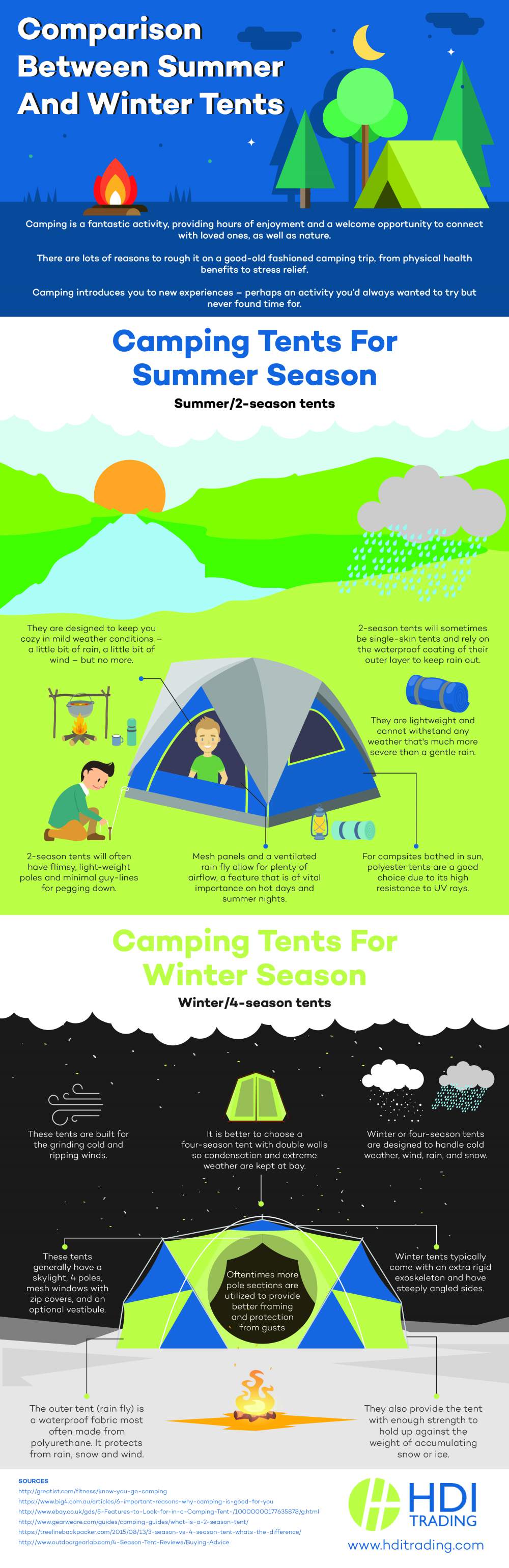
The product used to make an outdoor tents has a considerable influence on its general performance. Canvas uses unrivaled durability and breathability, while polyester uses a lightweight, low-maintenance alternative that's perfect for mobile or budget-conscious glamping arrangements. A crossbreed material like polycotton offers an equilibrium between the most effective qualities of both.
The sort of fabric you pick also depends upon your climate and the problems you'll encounter. For instance, cotton and polycotton perform much better in warm environments since they're breathable and manage temperature and condensation.